

“Bought this due to its handy size and reasonable price! Well i had reason to use it this weekend as my microwave went on fire! This and my smoke alarms saved my house! It put out the fire no bother an…”
Sectors
Emergency Services
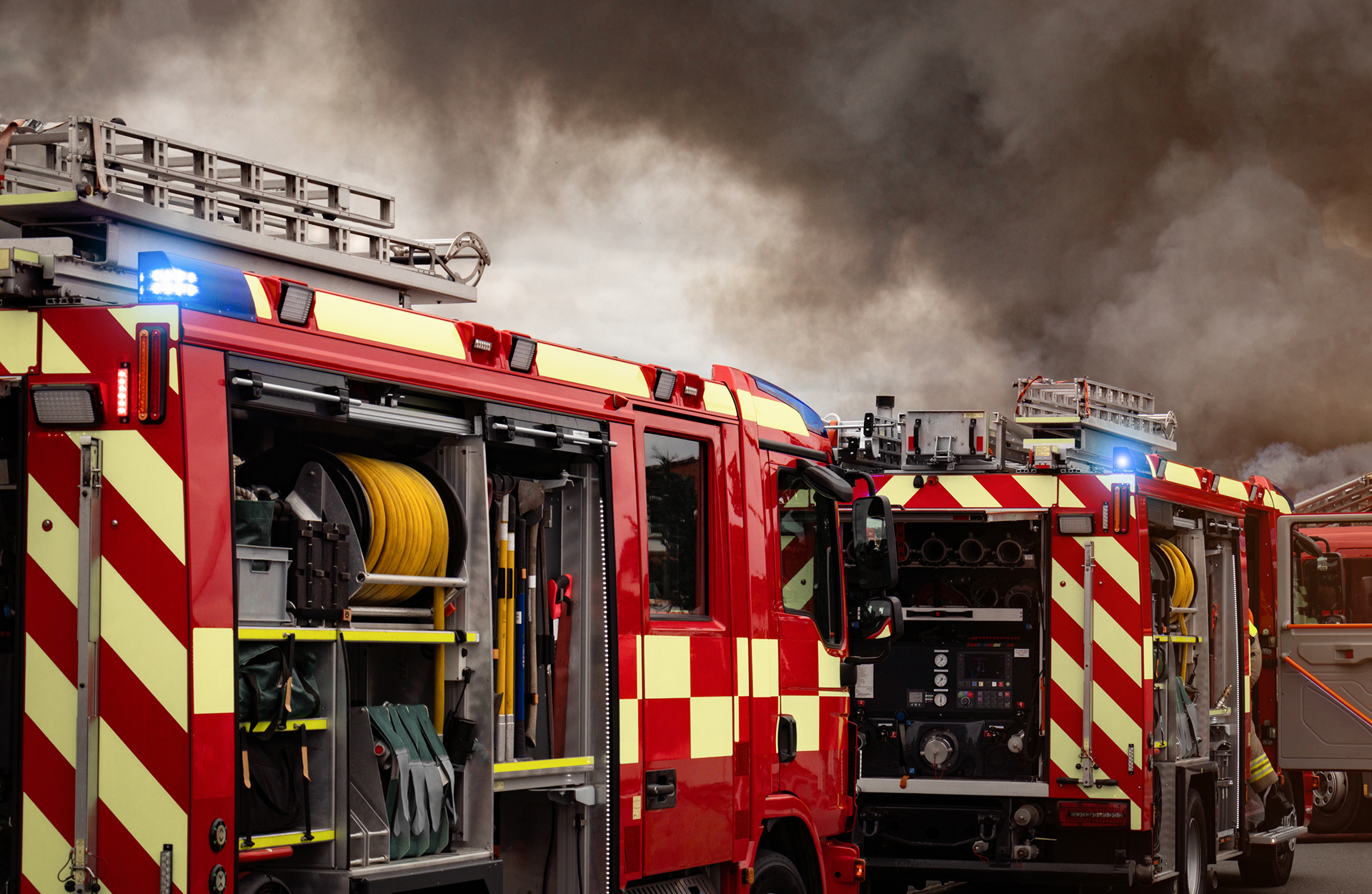
Emergency services are increasingly being asked to manage incidents involving lithium-ion batteries, EVs, energy storage and other high-risk technologies.
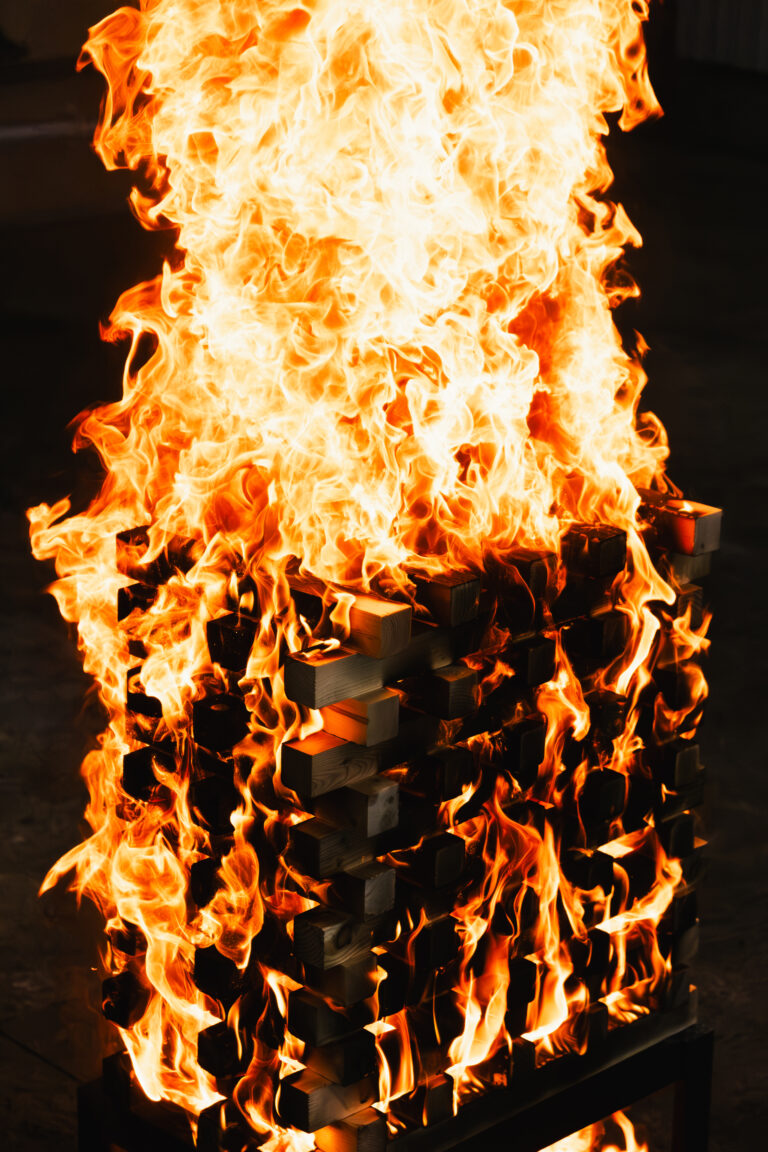
These fires are complex, can re-ignite after suppression and may release toxic gases, which puts responders, bystanders and surrounding assets at risk. In this environment, the priority is not just extinguishment; it is controlled intervention, scene safety and limiting escalation.
The risk profile is changing faster than many response environments. Fire and rescue services are now dealing with battery-related incidents across homes, roads, commercial premises and specialist infrastructure, and are being urged to integrate safer suppression strategies, training and post-incident monitoring into response planning. For emergency services, that means equipment and procedures need to support both the initial attack and the wider operational picture.
11 million+ tons of lithium-ion batteries projected to reach end-of-life by 2030.
Why traditional methods fall short
Water remains an important part of many response strategies, but lithium-ion incidents can behave differently from standard combustibles. Batteries can retain heat, continue internal reactions and re-ignite after visible flame is knocked down, so crews need tools that help cool effectively and support sustained control. Conventional approaches can also leave operational gaps when crews need to work at a distance or maintain safety around unstable batteries and vehicles. The challenge is not only suppression, but also safe scene management.
Emergency responders need a fluid or system that can help reduce heat, improve control over the affected area and support post-incident monitoring without adding unnecessary complexity. Especially since response time, crew safety and infrastructure protection all matter at once.
The emergency services solution: Multi-Purpose+ Fluid
LifeSafe’s Multi-Purpose+ Fluid is designed to support fast intervention in high-risk incidents, including lithium-ion battery fires. The aim is to help responders cool the fire, reduce the risk of re-ignition and gain better control of the scene with a practical, deployable solution. For emergency services, that means a product that aligns with field realities: unpredictable fire behaviour, limited time and the need to act decisively.
Where emergency services have typically seen the biggest benefit of our patented fluid:
- Road traffic collisions involving EVs or e-bikes.
- Residential and commercial lithium-ion battery fires.
- Incident response at battery storage or charging locations.
- Post-incident cooling and monitoring to reduce re-ignition risk.
The solution:
Multi Purpose+ Fluid
The emergency services solution: Multi-Purpose+ Fluid
Enquire Now
Secure support for emergency response today
For guidance on how LifeSafe Professional can support emergency services in lithium-ion battery incidents and other high-risk responses, get in touch and our experts will take care of the rest.
Call our team on:

"*" indicates required fields